Plausibly False Home

Category

Unbelievable Coincidences

20 articles


She Spent Fifteen Years Writing a Novel. A Stranger's Mistake Published It Without Her.

She Spent Fifteen Years Writing a Novel. A Stranger's Mistake Published It Without Her.

For years, a woman's unpublished manuscript sat in a box in her closet while, completely unknown to her, copies of it were quietly circulating — printed, distributed, and reviewed. A clerical error at a small printing company had sent her book into the world without her permission, her knowledge, or her name on the cover. By the time she found out, it had a following.

Ohio's Most Official Fake War: How Two Counties Fought for Almost a Decade Without Anyone Getting Hurt

Ohio's Most Official Fake War: How Two Counties Fought for Almost a Decade Without Anyone Getting Hurt

In the mid-1800s, two Ohio counties got into a land dispute so petty and so stubborn that both sides appointed generals, levied war taxes, and passed binding resolutions of hostility — then spent years maintaining the fiction that they were at war while absolutely nobody fired a single shot. The whole thing is documented in official government records, which somehow makes it worse.

He Told Everyone Exactly How the Weather Would Kill Him. Then It Did.

He Told Everyone Exactly How the Weather Would Kill Him. Then It Did.

A respected early twentieth-century meteorologist made a very specific, very public prediction about the atmospheric conditions that would one day end his life. Years later, those exact conditions showed up — and so did the outcome he described. Scientists still argue about what to make of it.

Approved, Funded, and Abandoned: The Ohio Bridge That Couldn't Survive Its Own Paperwork

Approved, Funded, and Abandoned: The Ohio Bridge That Couldn't Survive Its Own Paperwork

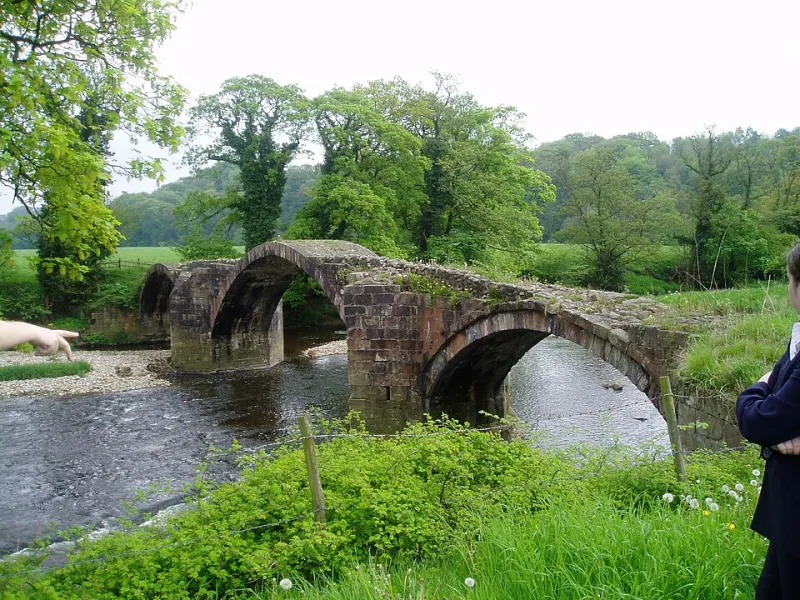
A small Ohio river crossing was officially approved, fully engineered, and completely funded by Congress not once, not twice, but three separate times across six decades — and was abandoned each time for a different, increasingly absurd bureaucratic reason that had nothing to do with money, opposition, or corruption. It's the infrastructure story that makes you wonder if some bridges just don't want to exist.

The Federal Case of the Legally Dead Living Beaver

The Federal Case of the Legally Dead Living Beaver

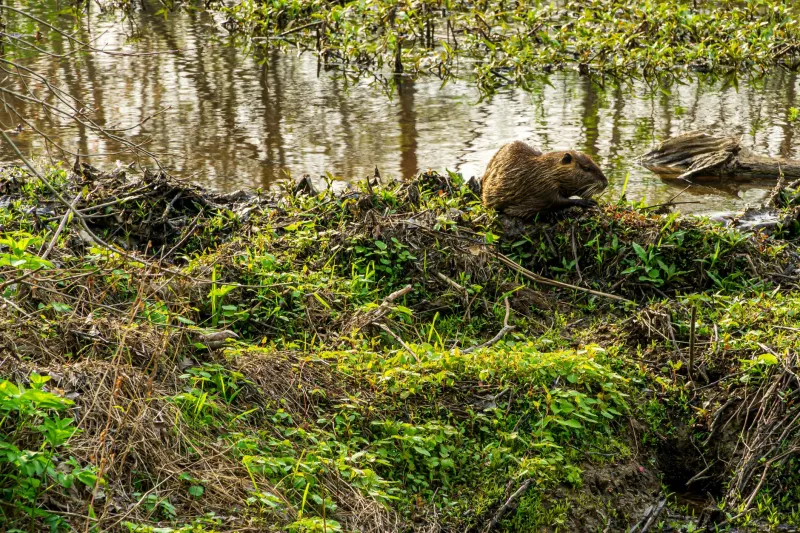
In 1923, the U.S. Bureau of Land Management officially declared a documented living beaver to be deceased in order to resolve a property boundary dispute in Oregon. The ruling created a legal precedent that still exists today, nearly a century after bureaucrats decided a living animal could be legally dead.

The Military Genius Who Never Knew He'd Lost the Battle

The Military Genius Who Never Knew He'd Lost the Battle

At the Battle of Lake Champlain in 1814, a translator's error convinced the British they were losing when they were actually winning. The mix-up handed Americans an impossible victory and made a general famous for all the wrong reasons.

The Town That Never Existed But Got Federal Mail Service Anyway

The Town That Never Existed But Got Federal Mail Service Anyway

A clerical error in the 1880s created a fictional Montana town that appeared on federal maps for four decades, accumulating mail routes and census data despite having zero actual residents. The government kept sending resources to a place that existed only on paper.

The Telegraph Error That Nearly Crowned the Wrong President

The Telegraph Error That Nearly Crowned the Wrong President

In 1876, a series of clerical mistakes, garbled telegraph messages, and one crucial name swap almost resulted in the losing candidate being certified as President of the United States. The error went undetected until three days before inauguration, requiring a frantic scramble to prevent the wrong man from taking the oath of office.

America's Forgotten Dream: The Year Congress Almost Imported Hippos to Louisiana

America's Forgotten Dream: The Year Congress Almost Imported Hippos to Louisiana

In the early 1900s, American lawmakers seriously debated importing African hippopotamuses into Louisiana bayous as a solution to a meat shortage and an invasive water hyacinth crisis. The bill had genuine congressional support and nearly passed. Here's how America came within striking distance of becoming the only country on Earth to domesticate hippos—and what stopped it.

The Park Ranger Who Became Lightning's Favorite Target Seven Times Over

The Park Ranger Who Became Lightning's Favorite Target Seven Times Over

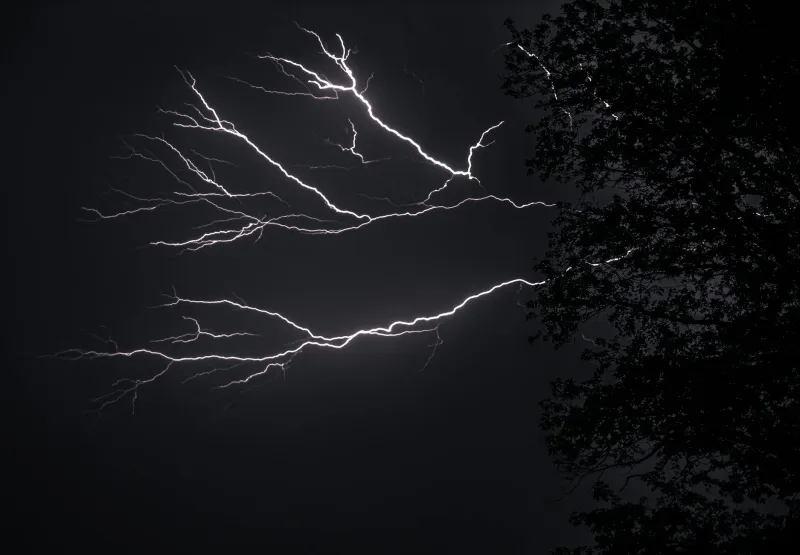
Roy Sullivan, a Virginia park ranger, was struck by lightning not once, not twice, but seven separate times over 35 years — and kept showing up to work in the woods anyway. The odds of this happening to one person are so astronomically small that statisticians essentially have no good framework for explaining it.